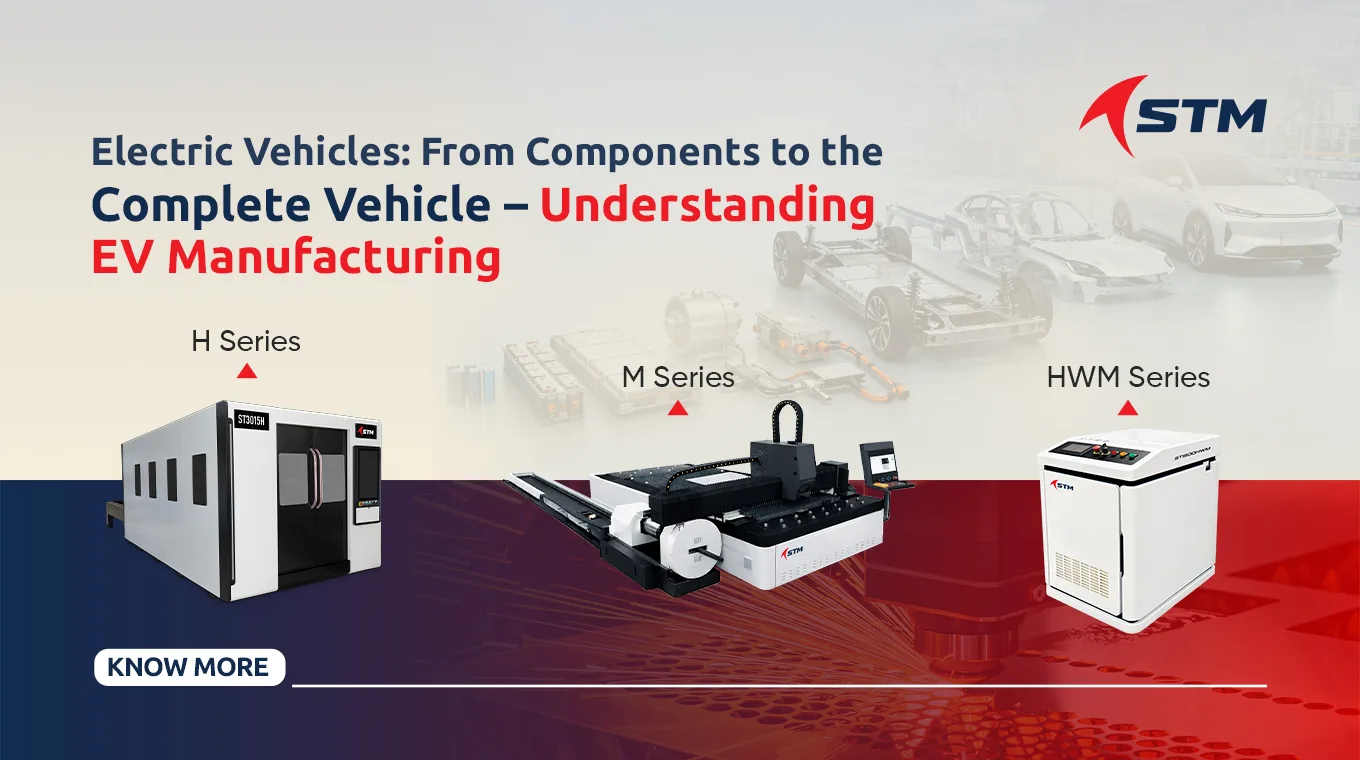
The electric vehicle industry is growing rapidly, creating new manufacturing opportunities across the automotive supply chain.
An EV is made up of several interconnected systems, from the battery pack and motor to the chassis, body, electronics, and charging systems. Behind these systems are hundreds of components that require accurate cutting, fabrication, and joining.
For many of these metal components, fiber laser cutting and laser welding are becoming important manufacturing technologies.
From Components to a Complete EV
EV manufacturing involves a wide range of components, each with different material, thickness, geometry, and production requirements.
Key areas include:
While not every EV component requires laser processing, many fabricated metal parts can benefit from precise and repeatable cutting and welding processes.
Where Fiber Laser Cutting Fits Into EV Manufacturing
Modern EV components often require complex profiles, mounting holes, slots, openings, and contours.
Fiber laser cutting machine can produce these features with high repeatability while reducing the need for multiple secondary operations.
Used to protect and support battery systems.
Laser application:
Profiles, holes, slots, covers, brackets, and enclosure components.
Require accurate dimensions for proper assembly and structural consistency.
Laser application:
Profiles, structural plates, mounting features, and fabricated parts.
Used throughout the vehicle for mounting different systems.
Laser application:
Repeatable shapes, holes, slots, and mounting features.
Used for frames, supports, and other fabricated structures.
Laser application:
Tube profiles, holes, slots, and intersecting features.
EV infrastructure requires various fabricated metal components.
Laser application:
Enclosures, brackets, mounting structures, and support components.
Laser Cutting + Welding: Supporting the Fabrication Process
Cutting is only one stage of component manufacturing.
After cutting, many components need to be assembled and joined. Fiber Laser welding machine can support this application where manufacturers require controlled and repeatable joints.
Together, fiber laser cutting machine and fiber laser welding machine can help create a more streamlined fabrication workflow:
Cut → Form → Weld → Assemble
This can reduce unnecessary secondary processing and improve production consistency for suitable applications.
Why Precision Matters in EV Component Production
As EV production moves toward higher volumes, component consistency becomes increasingly important.
Laser processing can help manufacturers achieve:
Repeatable component dimensions
Reduced rework
Better material utilization
Cleaner cutting edges
Reduced secondary processing
Higher production throughput
The result is a more consistent fabrication process that can support growing production requirements.
Choosing the Right Fiber Laser Solution
The right fiber laser machine depends on the component being manufactured - not simply on the required laser power.
Before selecting equipment, manufacturers should consider:
Requirement | What to Evaluate |
Material | Mild steel, stainless steel, aluminium, etc. |
Thickness | Minimum and maximum material thickness |
Component | Battery structures, brackets, chassis parts, tubes, etc. |
Geometry | Profiles, holes, slots, contours, complex features |
Production Volume | Prototype, batch, or high-volume production |
Processing | Sheet cutting, tube cutting, welding, or combination |
Automation | Loading, unloading, and material-handling requirements |
This approach helps manufacturers select a solution that fits their current application and future production plans.
How STM Laser Supports EV Component Manufacturing
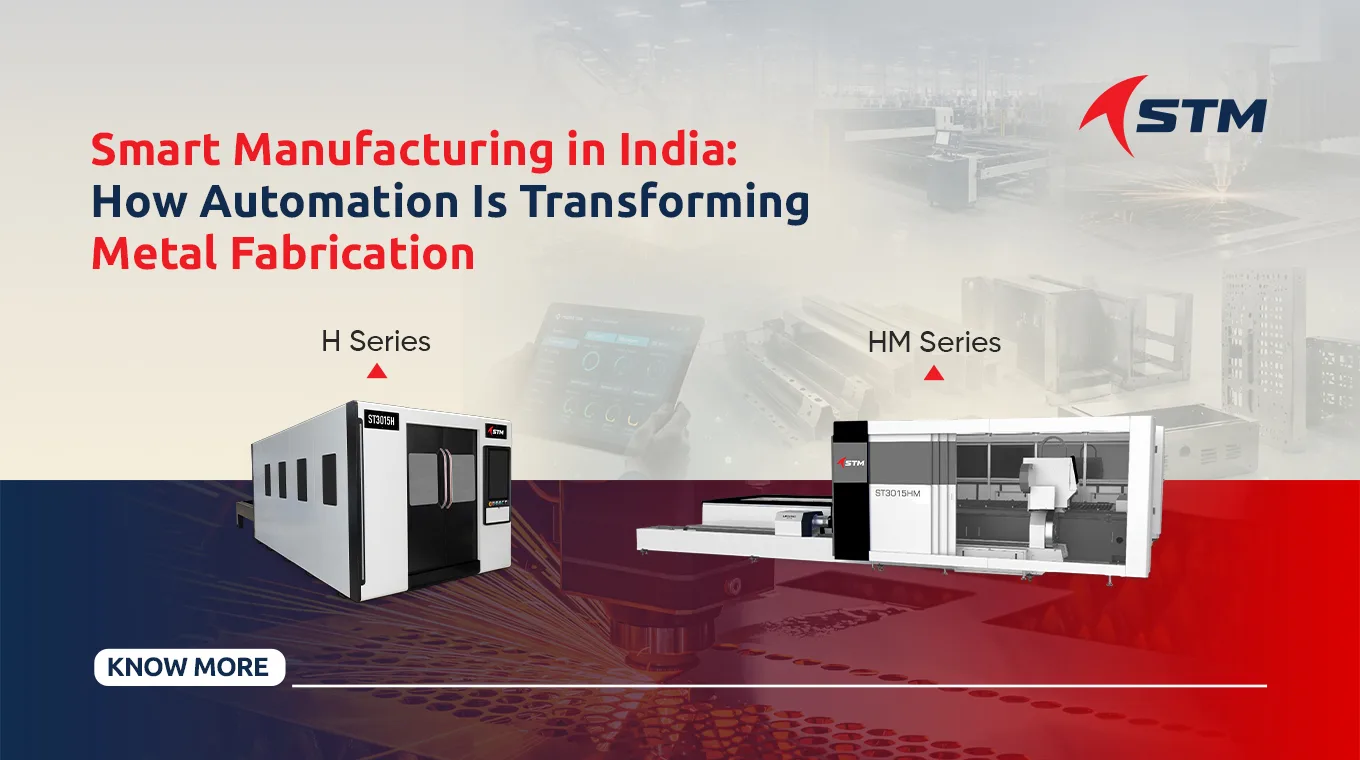
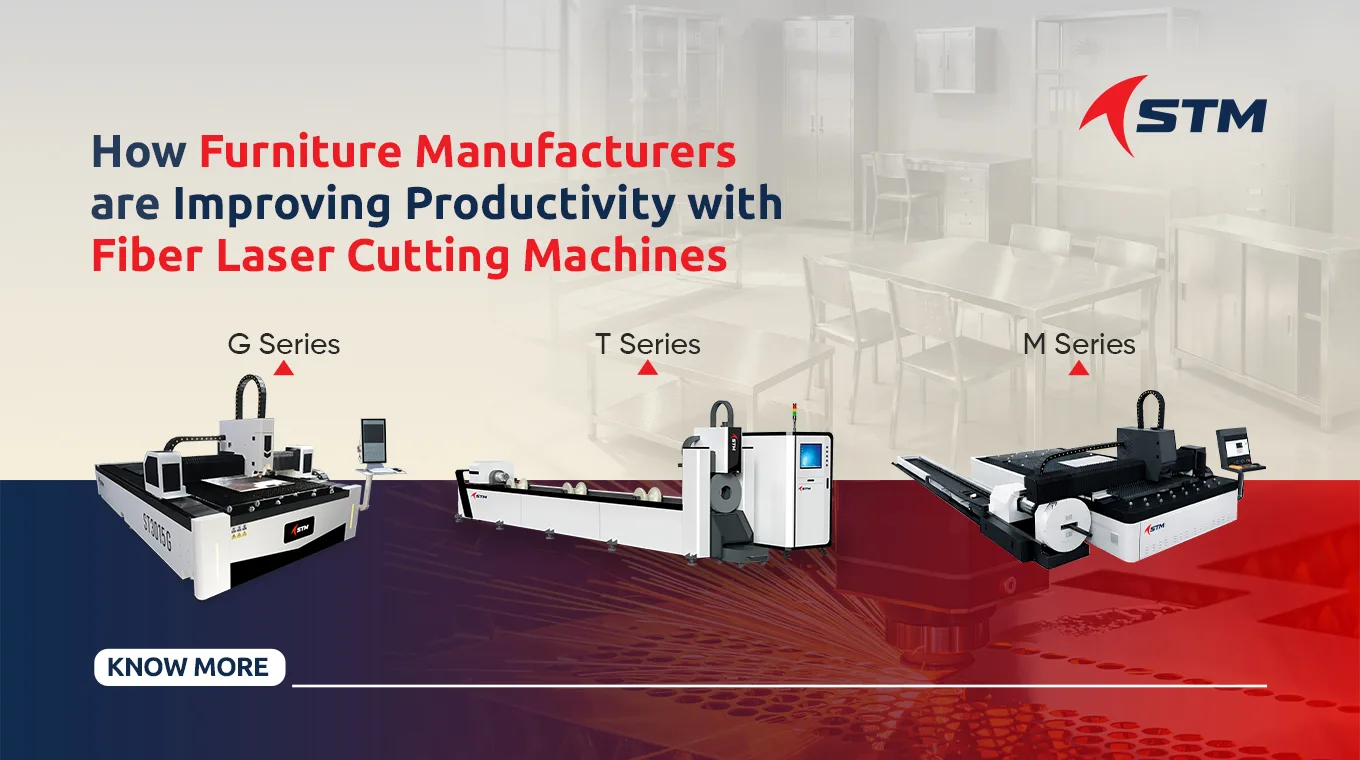
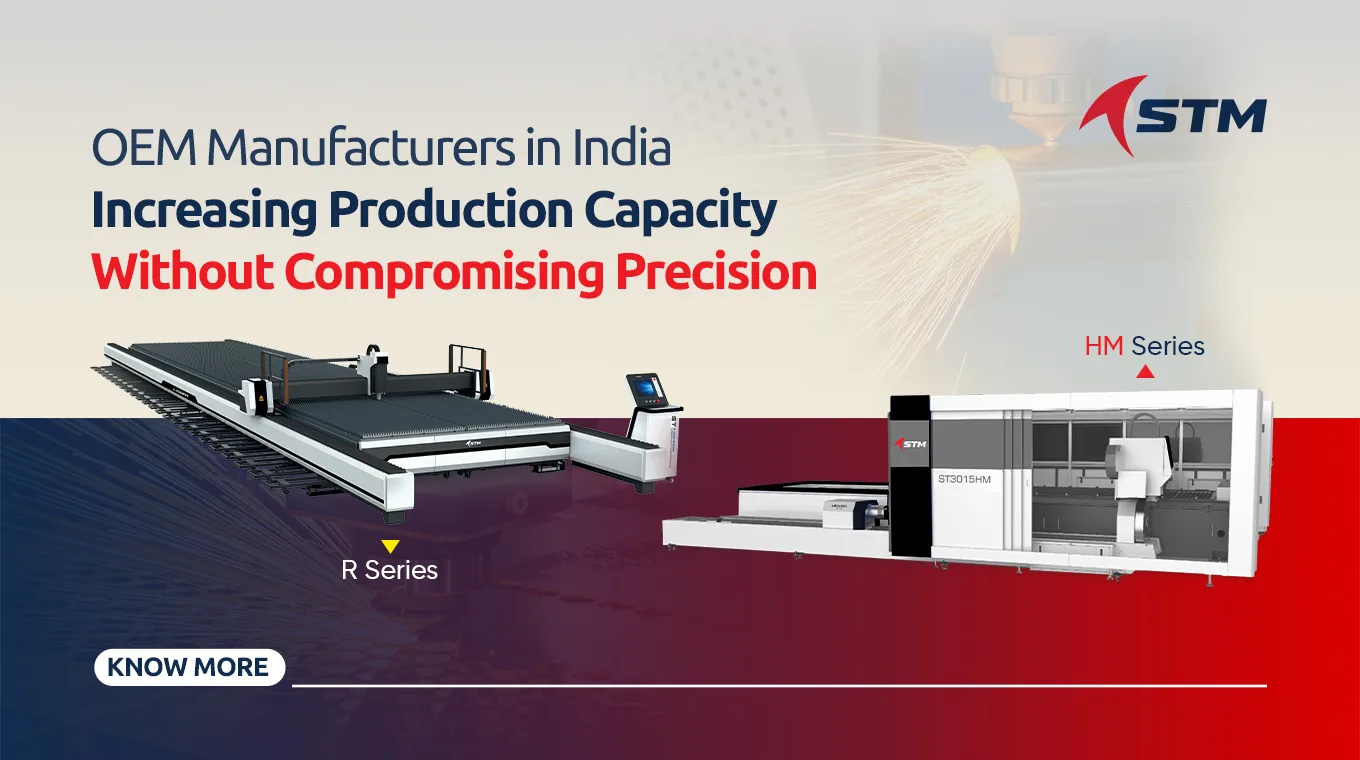
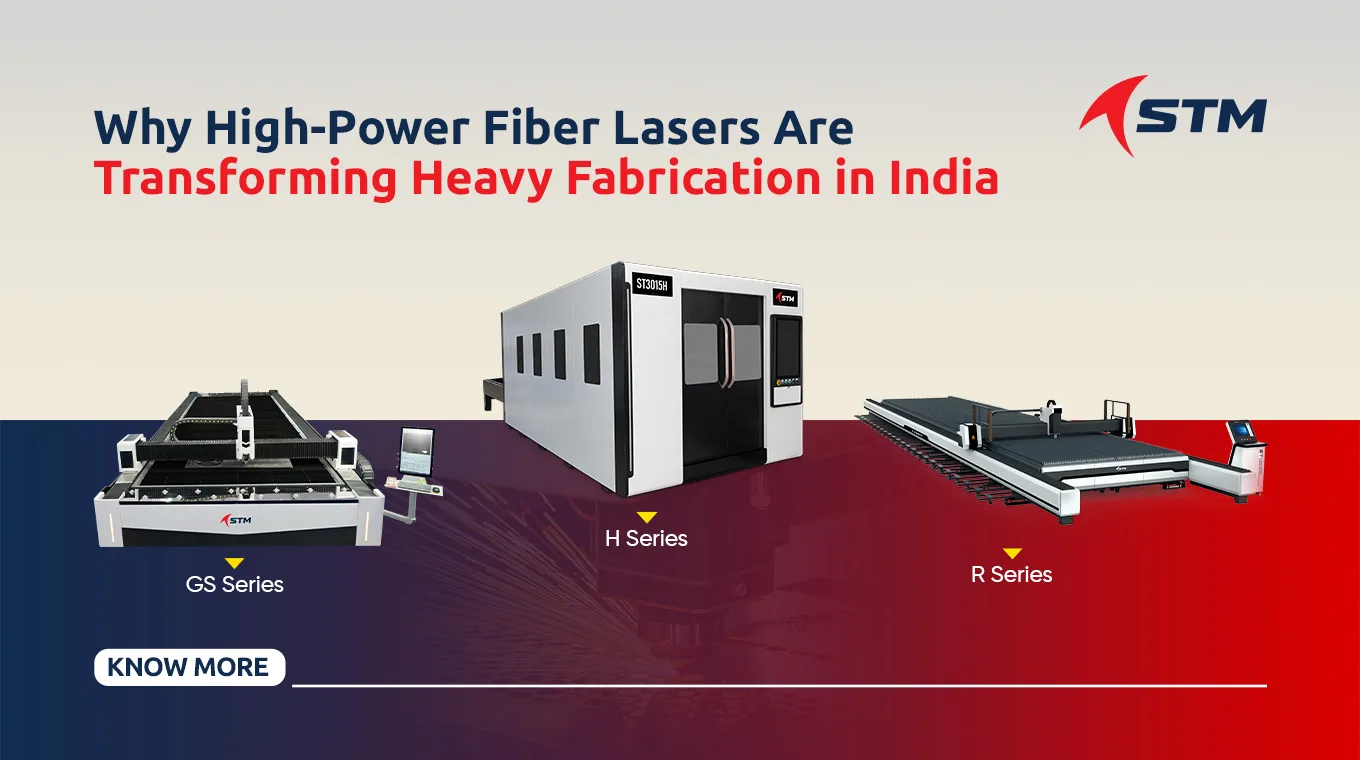
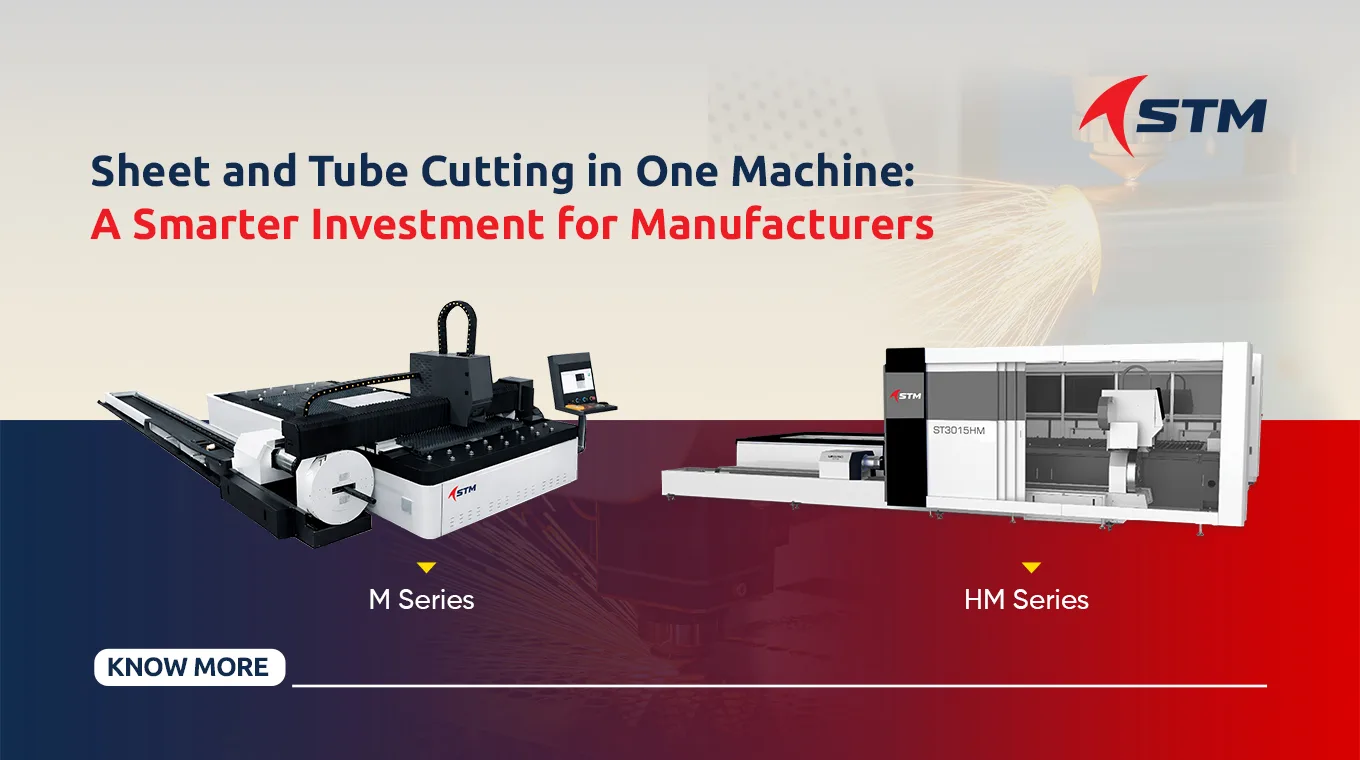
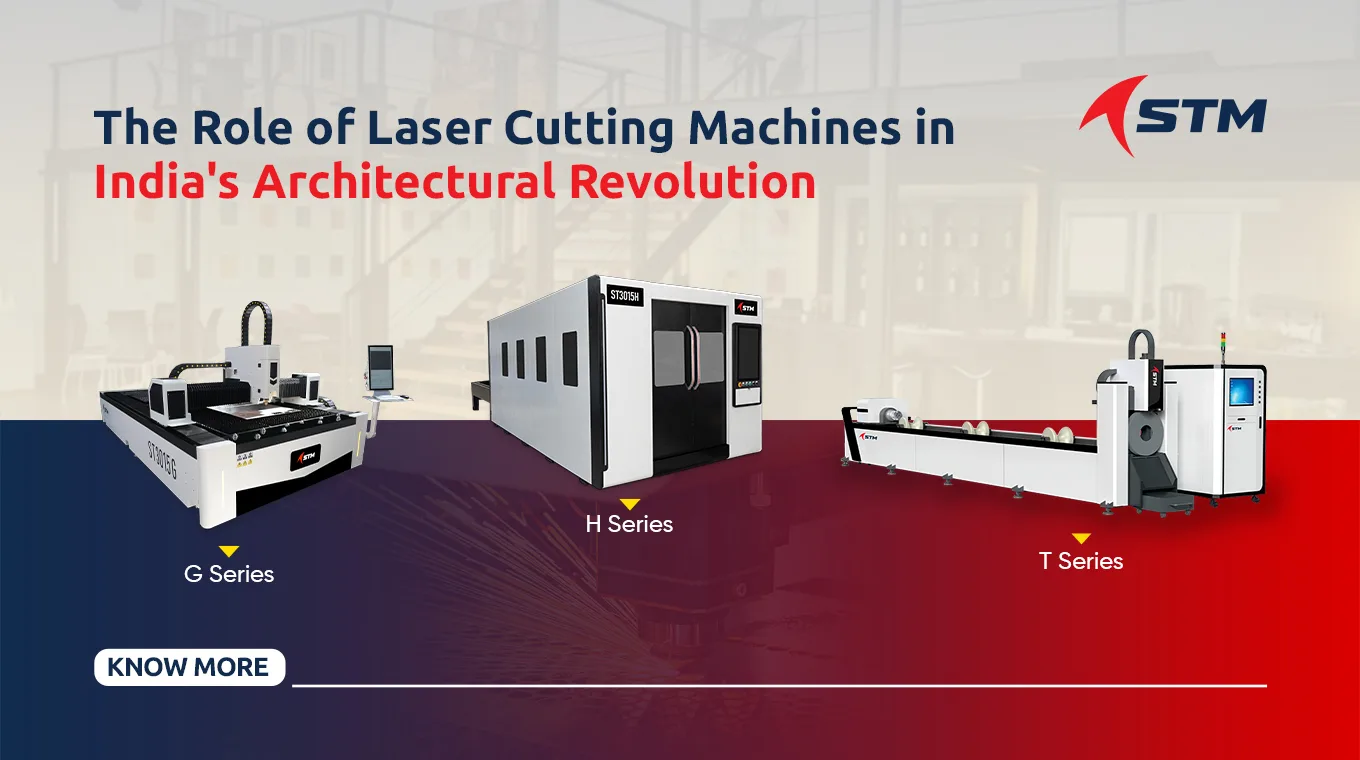
STM Laser provides fiber laser sheet cutting machine, tube/pipe cutting machine, and laser welding machine for modern metal fabrication applications.
With laser power options from 1.5 kW to 30 kW, STM Laser solutions can be evaluated based on material type, thickness, component geometry, production volume, and whether the requirement involves sheet cutting, tube cutting, or laser welding.
For EV manufacturers and component suppliers, the appropriate solution can be selected based on material, thickness, component geometry, production volume, and sheet or tube requirements.
Conclusion
EV manufacturing is a complex ecosystem where thousands of components come together to create a complete vehicle.
From battery trays and enclosures to chassis parts, brackets, tube assemblies, and charging equipment, precision metal fabrication is an important part of this ecosystem.
With fiber laser cutting machine, tube/pipe laser cutting machine, and laser welding solutions, STM Laser supports manufacturers looking to improve the way these fabricated components are produced.
👉 Planning to manufacture EV components? Share your material, thickness, component type, production volume, and sheet or tube requirements with STM Laser to explore a suitable laser solution.
Frequently Asked Questions
1. How is laser cutting used in EV manufacturing?
Laser cutting can be used for fabricated components such as battery trays, enclosures, chassis parts, brackets, structural components, tube assemblies, and charging equipment.
2. What are the benefits of laser cutting for EV components?
It can provide repeatable dimensions, reduced rework, better material utilization, cleaner edges, and higher production throughput for suitable applications.
3. Can laser welding be used for EV components?
Yes. Depending on the material, thickness, joint design, and application, laser welding can support suitable EV component assemblies and fabricated metal structures.
4. Should I choose sheet or tube laser cutting for EV components?
It depends on the component. Sheet laser cutting is suited to flat sheet components, while tube laser cutting is designed for tubular structures and profiles. A sheet-and-tube solution can be considered when both are required.
5. What should I consider when selecting a laser machine for EV components?
Consider material, thickness, component geometry, production volume, sheet or tube requirements, automation needs, and whether you require cutting, welding, or both.
6. What laser solutions does STM Laser offer?
STM Laser offers fiber laser sheet cutting machine, tube/pipe cutting machine, and laser welding solutions, with laser power options ranging from 1.5 kW to 30 kW.