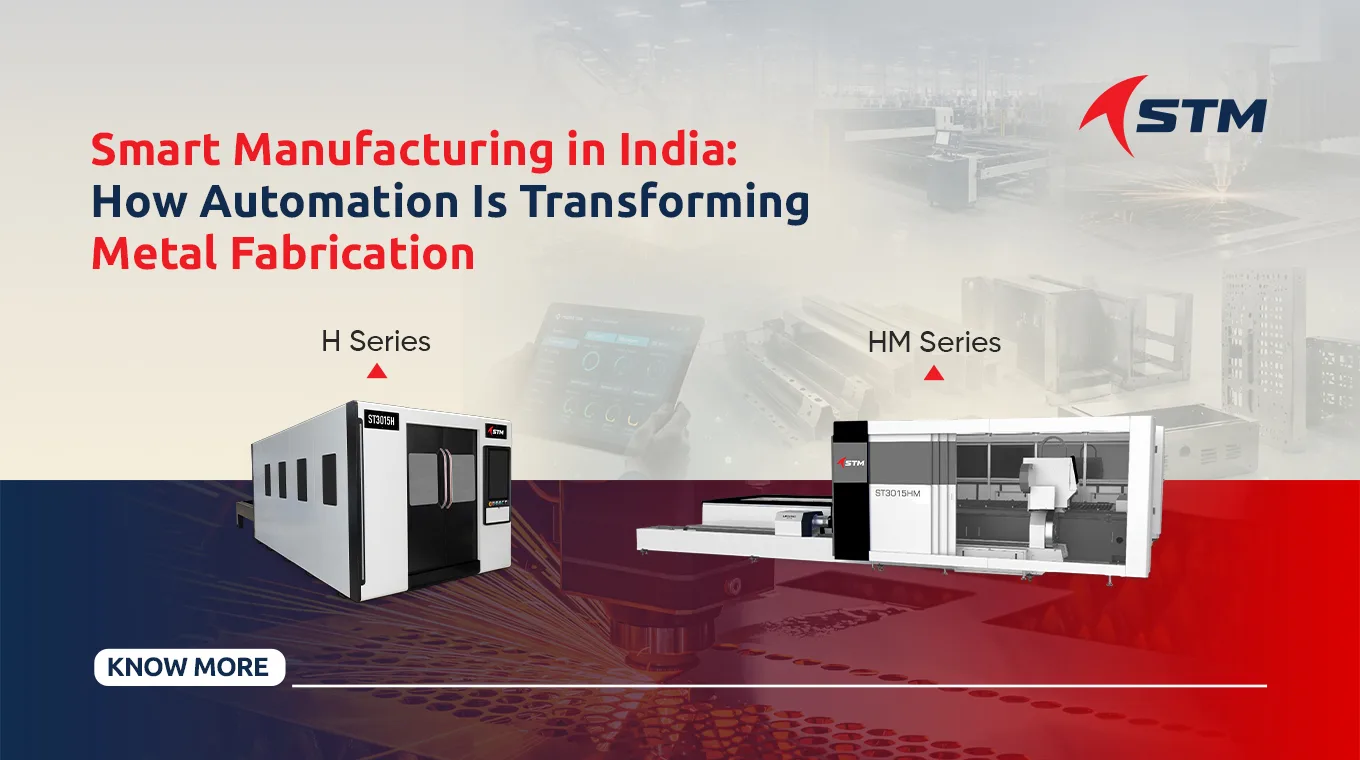
India's manufacturing sector is moving toward higher productivity, faster production, and smarter use of technology. With growing demand from automotive, engineering, infrastructure, HVAC, electrical, and other industries, manufacturers are looking for better ways to increase output while maintaining consistent quality.
This is driving the adoption of automation, connected machines, digital production systems, and advanced manufacturing technologies across Indian factories.
For metal fabricators, smart manufacturing is not simply about adding new machines. It is about creating a more connected and efficient production process.
Why Metal Fabrication Is Moving Toward Automation
Traditional fabrication processes often involve significant manual handling, machine setup, material movement, and production monitoring.
As production volumes increase, these activities can create bottlenecks and affect overall output.
Manufacturers are therefore looking to reduce:
The objective is simple: get more productive output from the available machines, materials, and workforce.
How Smart Manufacturing Works in Metal Fabrication
Smart manufacturing brings together machines, automation, software, and production data.
For example, a modern fabrication workflow can involve digital job preparation, automated material handling, programmed laser cutting, and production monitoring.
This gives manufacturers better visibility into important production indicators such as:
Machine utilization
Cycle time
Downtime
Setup time
Scrap rate
Throughput
Instead of relying only on manual observation, production teams can use this information to identify bottlenecks and improve the workflow.
How Automation Improves Laser Cutting Production
Laser cutting is an important stage in many metal fabrication processes, and automation can improve more than just cutting speed.
Automated loading and unloading can reduce material handling time, while digital programming can improve job repeatability.
When these processes work together, manufacturers can achieve:
Higher machine utilization
Reduced non-cutting time
More consistent production
Better material utilization
Improved production throughput
This becomes particularly valuable for manufacturers handling high-volume or repeat production.
The Role of Fiber Laser Cutting in Smart Manufacturing
Modern fiber laser cutting machines are already digitally controlled and can form an important part of an automated fabrication workflow.
When combined with appropriate automation, software, and material-handling systems, laser cutting can support faster and more consistent production.
For manufacturers, the focus should therefore be on the complete production workflow, rather than cutting speed alone.
How STM Laser Supports Modern Metal Fabrication
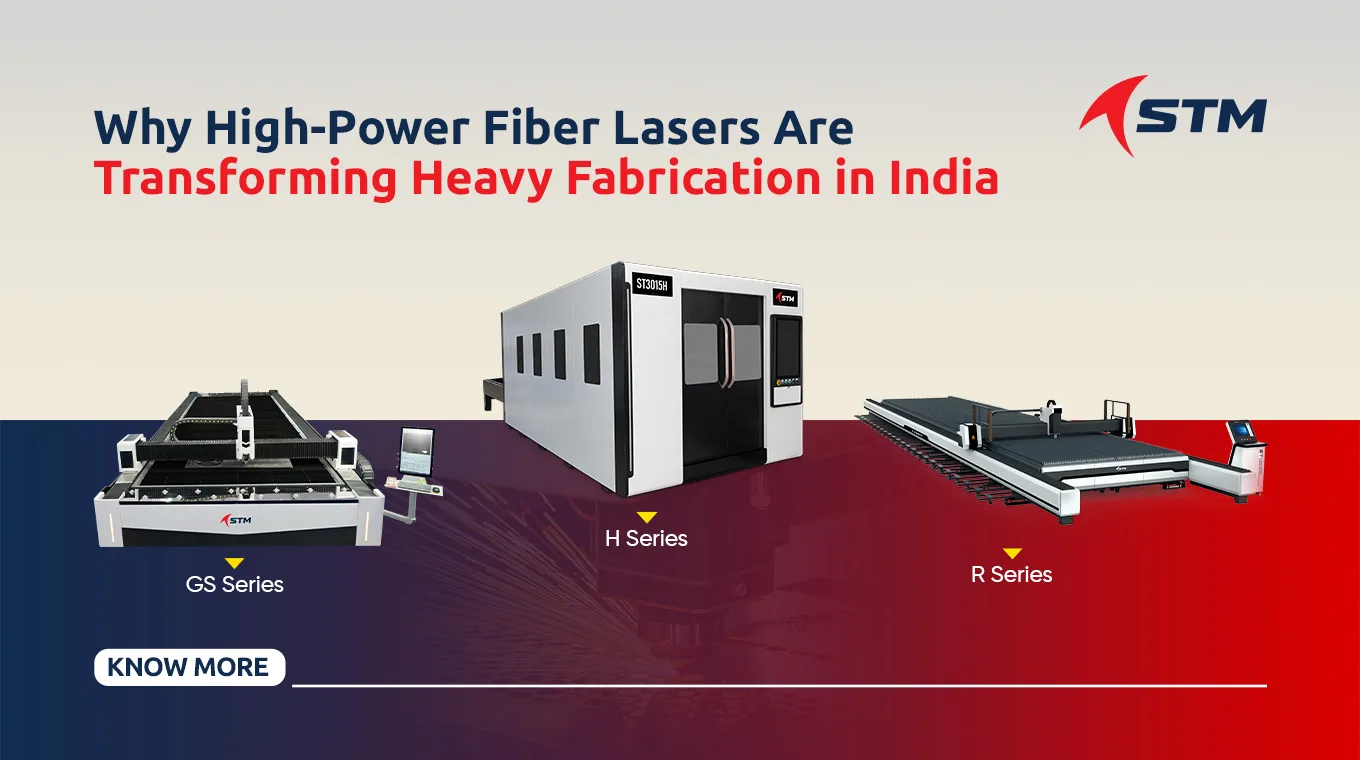
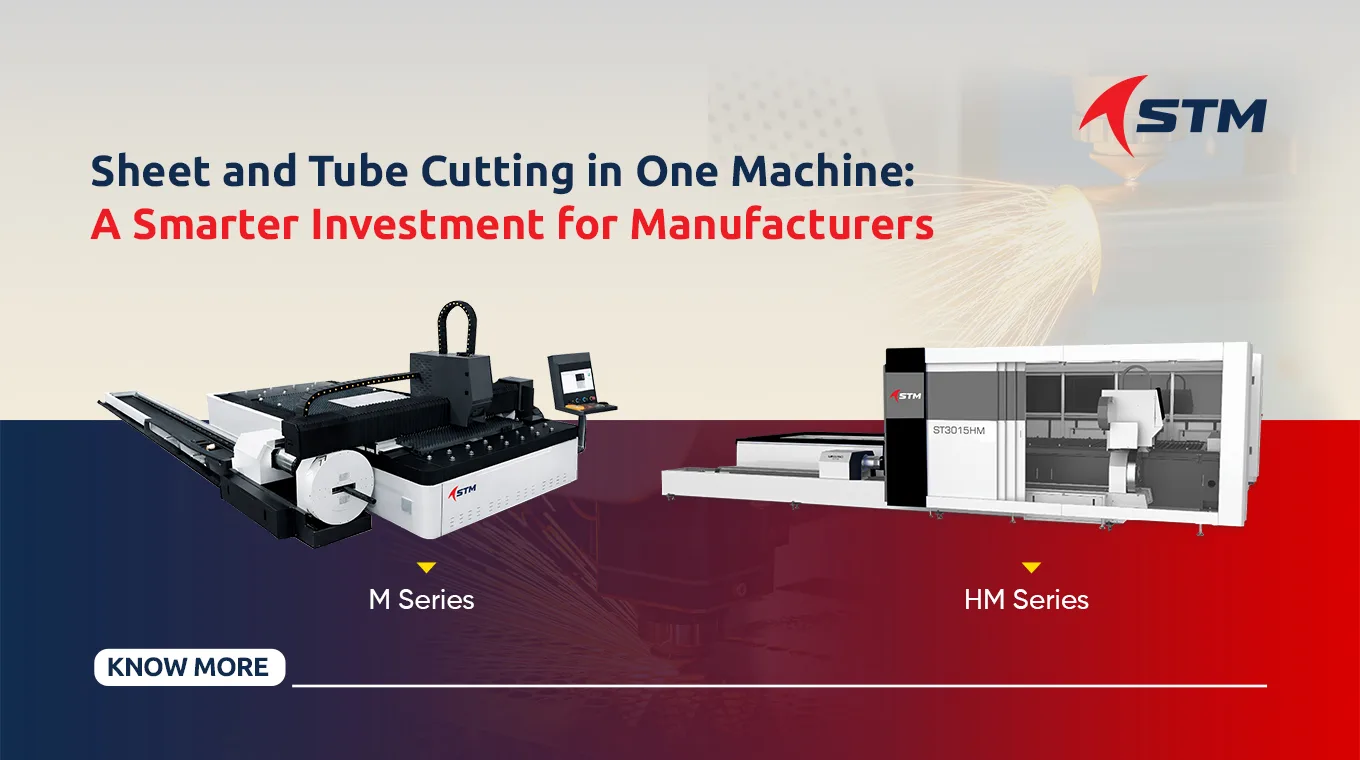
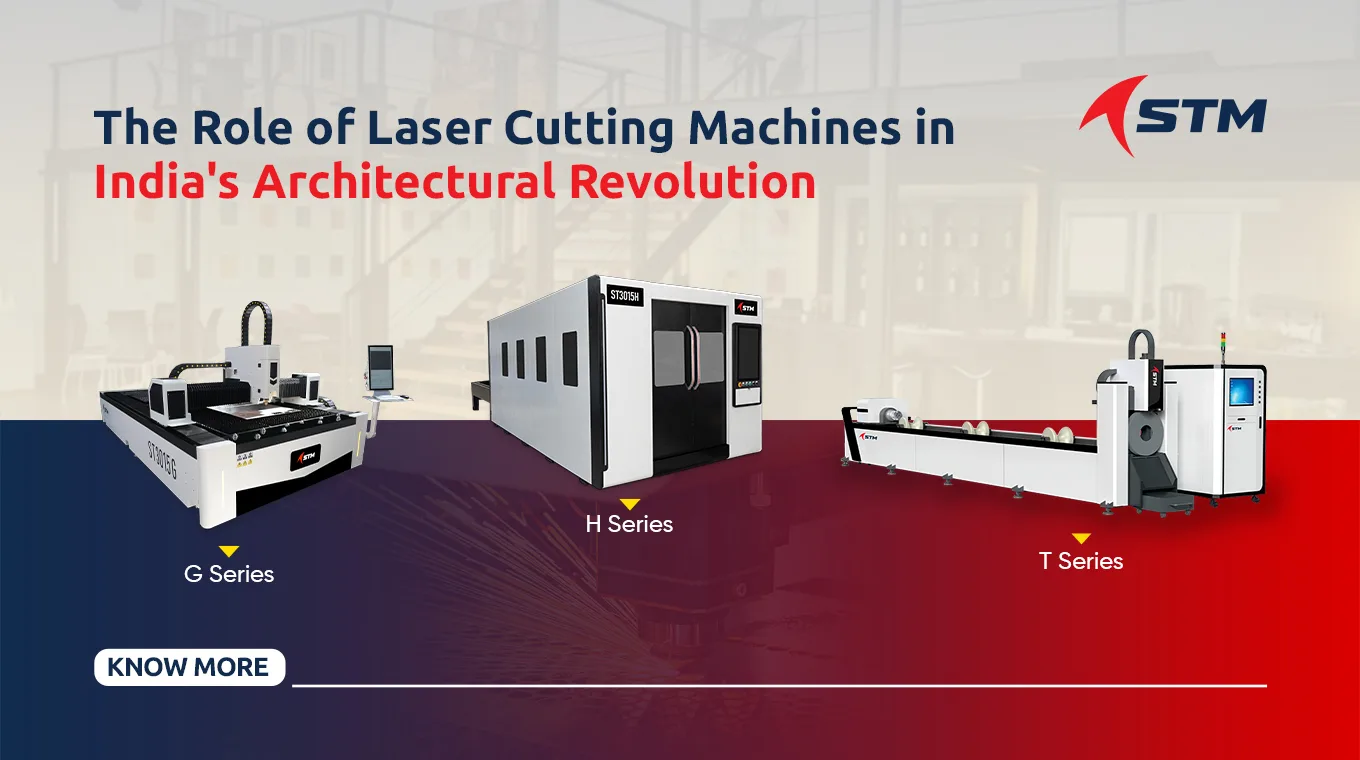
STM Laser provides fiber laser sheet cutting, tube/pipe laser cutting, and laser welding solutions for manufacturers looking to improve cutting productivity, processing flexibility, and production consistency.
With power options from 1.5 kW to 30 kW, manufacturers can select a laser cutting solution based on their material type, thickness, component size, production volume, and application requirements.
For manufacturers planning to upgrade their fabrication processes, STM Laser solutions can support the move toward higher productivity, precision, and production flexibility.
Conclusion
The shift toward smart manufacturing in metal fabrication is changing how Indian manufacturers approach production.
The focus is moving beyond simply adding machine capacity toward improving machine utilization, reducing downtime, minimizing manual handling, and increasing throughput.
By adopting automation step by step and using production data to identify improvement areas, manufacturers can build more efficient and scalable fabrication operations.
With advanced fiber laser cutting, tube/pipe laser cutting, and laser welding solutions, STM Laser supports manufacturers in moving toward the next generation of metal fabrication.
👉 Planning to automate or upgrade your metal fabrication process? Contact STM Laser with your material, thickness, production volume, and application requirements to explore a suitable solution.
Frequently Asked Questions
1. What is smart manufacturing in metal fabrication?
Smart manufacturing combines automation, digital technologies, machines, and production data to improve productivity, consistency, and visibility across fabrication processes.
2. How does automation improve laser cutting production?
Automation can reduce manual material handling, loading and unloading time, and other non-cutting activities, helping improve machine utilization and production throughput.
3. What KPIs are important in automated metal fabrication?
Important KPIs include machine utilization, downtime, cycle time, setup time, scrap rate, and throughput.
4. Does a manufacturer need to automate the entire factory?
No. Manufacturers can begin with a specific production bottleneck, automate repetitive operations, measure the results, and gradually expand automation.
5. What role does fiber laser cutting play in smart manufacturing?
Fiber laser cutting provides digitally controlled and repeatable processing and can be integrated with automation, software, and material-handling systems as part of a modern fabrication workflow.
6. What laser solutions does STM Laser provide?
STM Laser provides fiber laser sheet cutting, tube cutting, and laser welding solutions, with power options ranging from 1.5 kW to 30 kW.