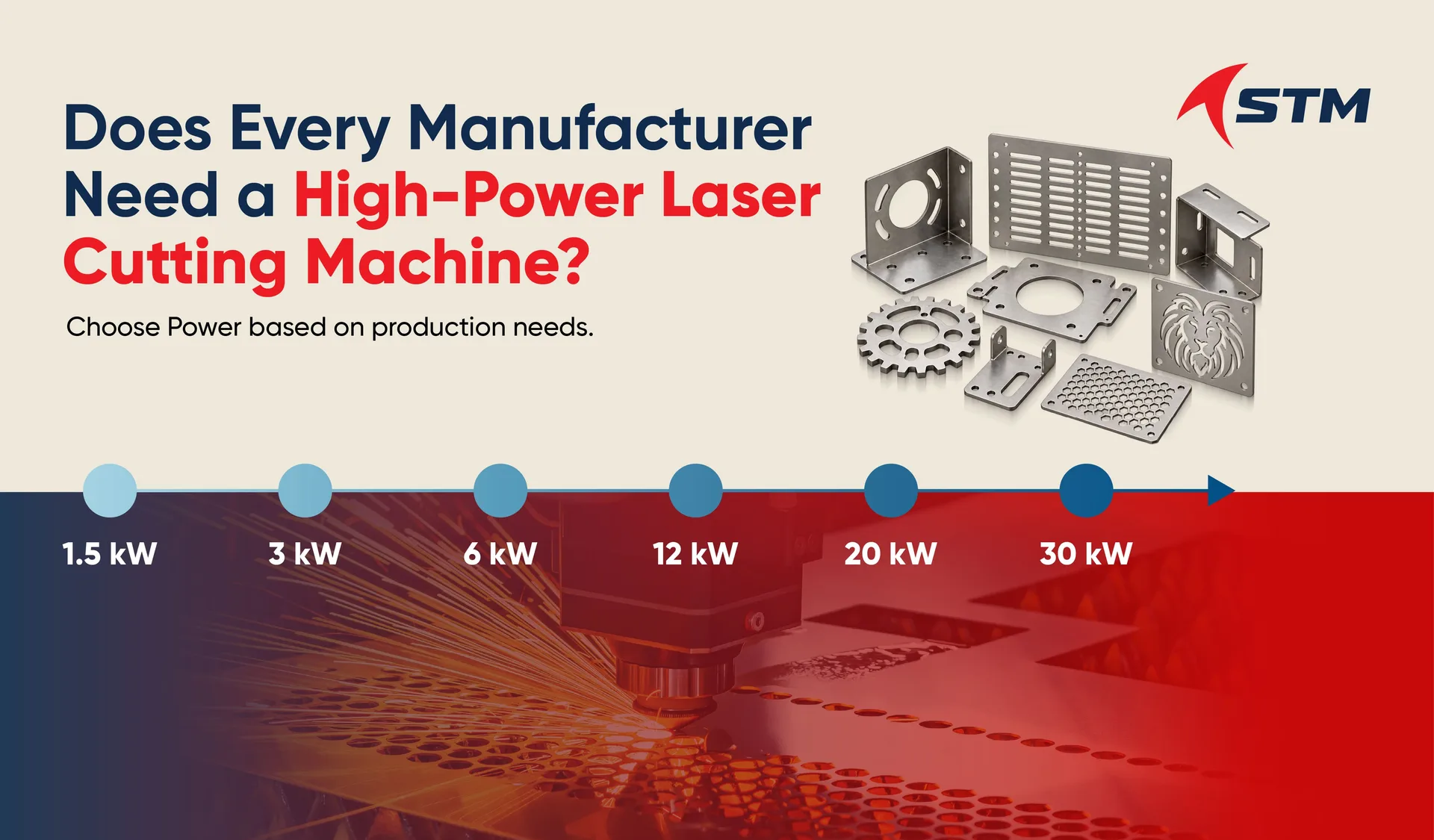
When manufacturers invest in a fiber laser cutting machine, one of the first questions is often: how much laser power do I need? With configurations ranging from 1.5 kW to 30 kW, it can be tempting to assume that higher power automatically means better performance. But not every manufacturer needs a high power fiber laser.
The right fiber laser cutting machine power selection depends on material, thickness, production volume, sheet size, application and machine configuration. The objective is to choose the capability that matches the actual production requirement.
What Does Laser Power Actually Change?
Laser power determines the energy available during cutting. As power increases, a fiber laser can support more demanding applications, particularly where thicker materials or higher cutting speeds are required.
However, cutting performance is influenced by more than power alone. Material grade, thickness, assist gas, cutting parameters, cutting head, nozzle configuration and machine dynamics all affect the result.
This matters when evaluating laser power for sheet metal laser cutting. Carbon steel, stainless steel and aluminium can behave differently even at similar thicknesses, so power should be assessed together with the normal material and thickness range.
Laser Cutting Speed vs Power: Is More Always Better?
Higher power can improve cutting speed in suitable applications, but overall productivity depends on the complete production cycle.
Loading, unloading, pallet exchange, piercing and material handling also affect throughput. Increasing power alone may not create a proportional increase in output.
For manufacturers processing mainly thinner sheets at moderate volumes, a very high-power machine may not be necessary. If loading and unloading are the main bottlenecks, automation may create greater value.
The better question is:
Where will additional laser power create measurable value in production?
How Much Laser Power Do I Need?
A practical selection begins with material, laser cutting thickness and production volume.
Material and Thickness
Identify the materials processed regularly and the thickness range used most often. Separate everyday production from occasional maximum-thickness jobs.
Ask:
What thickness do we cut most frequently?
What is our regular maximum thickness?
How often do we process thicker material?
Is thicker-material work expected to increase?
A machine’s maximum stated cutting thickness should not automatically be treated as the ideal thickness for continuous production. Cutting speed, edge quality, assist gas and process conditions also matter.
Production Volume
Where machine utilisation is high and cutting time forms a significant part of the production cycle, additional laser power can support greater capacity.
Where non-cutting activities consume more time, automation and material handling can become equally important.

3 kW vs 6 kW Laser: Which Is the Better Choice?
There is no universal answer to a 3 kW vs 6 kW laser comparison.
A 3 kW configuration may suit a production mix that does not require additional power. A 6 kW configuration may offer greater capability where thicker materials, faster processing on suitable jobs or higher production demand justify it.
The decision should be based on actual production requirements, not only the higher kW rating.
What Else Should You Consider Besides Power?
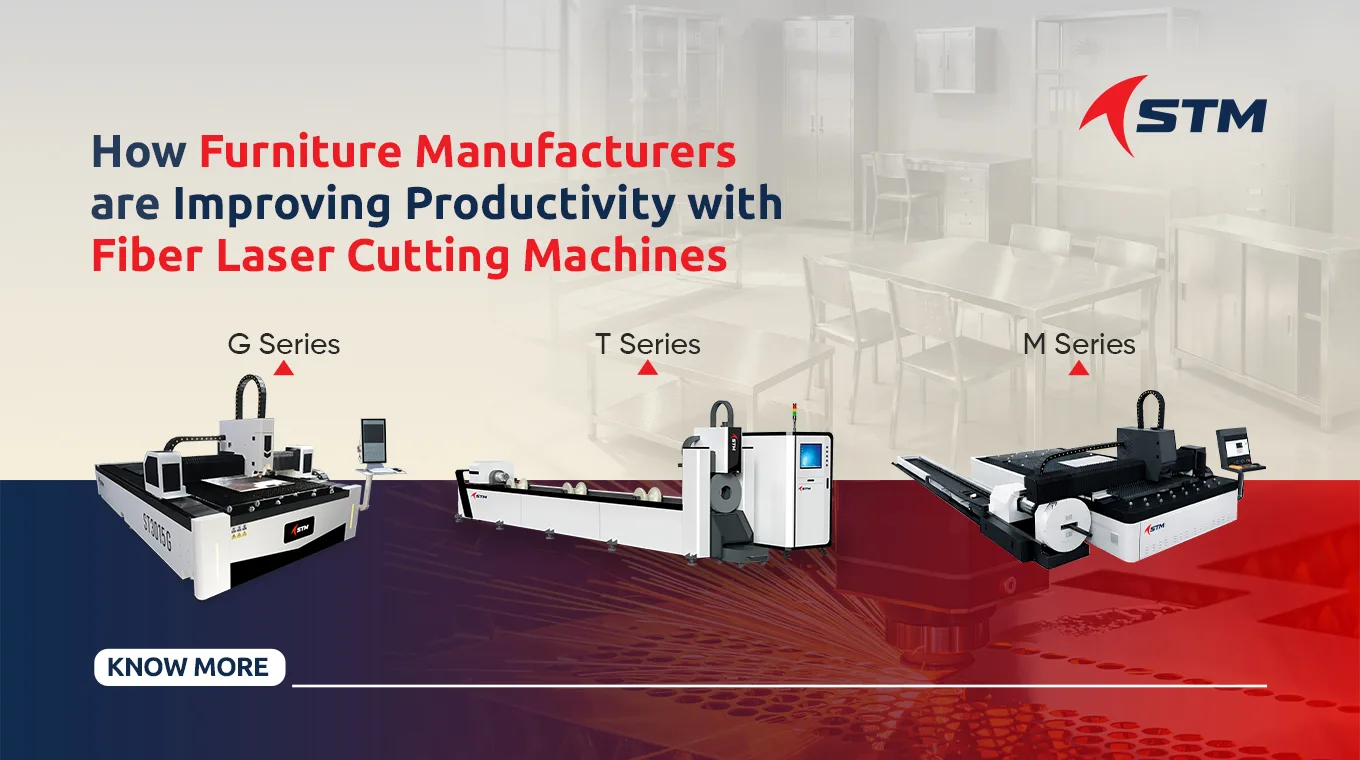
The working area should match production sheet sizes. Manufacturers should also determine whether they need flat-sheet cutting, tube cutting or both.
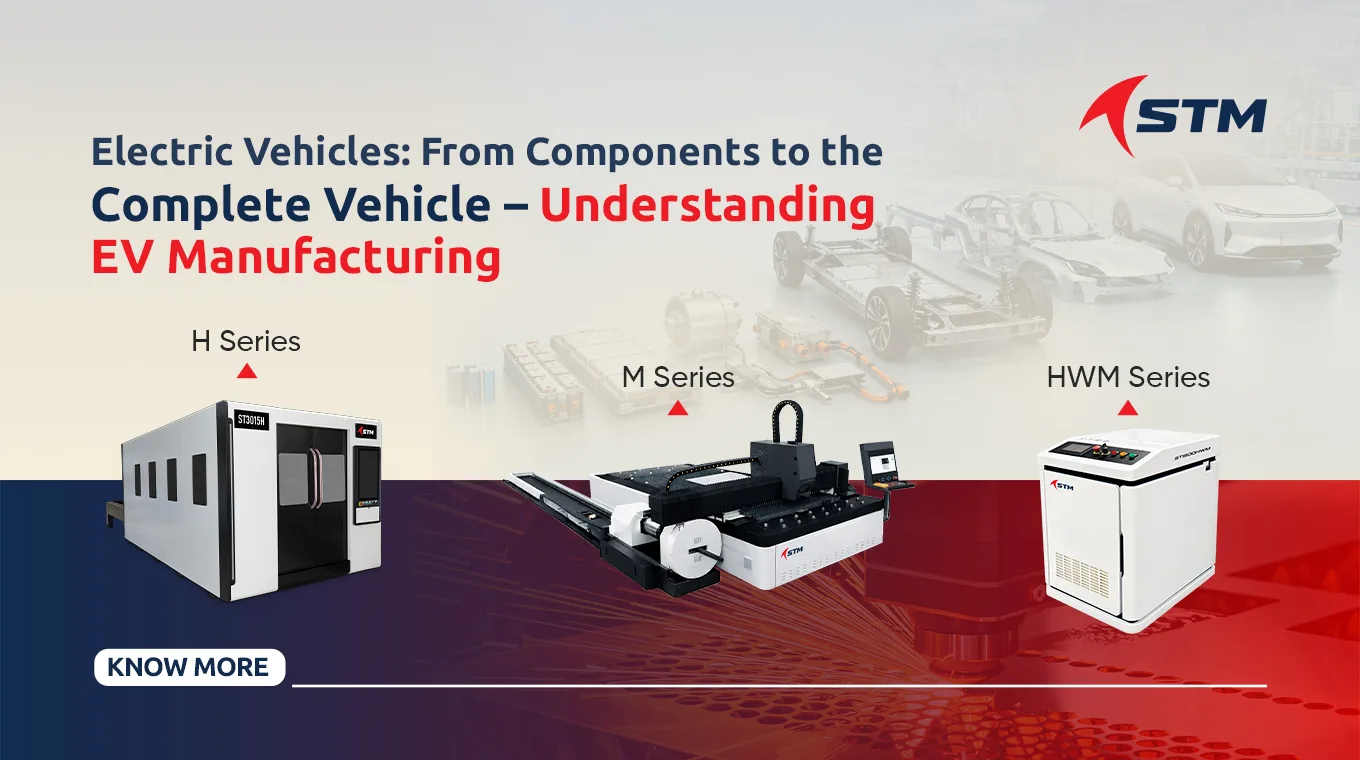
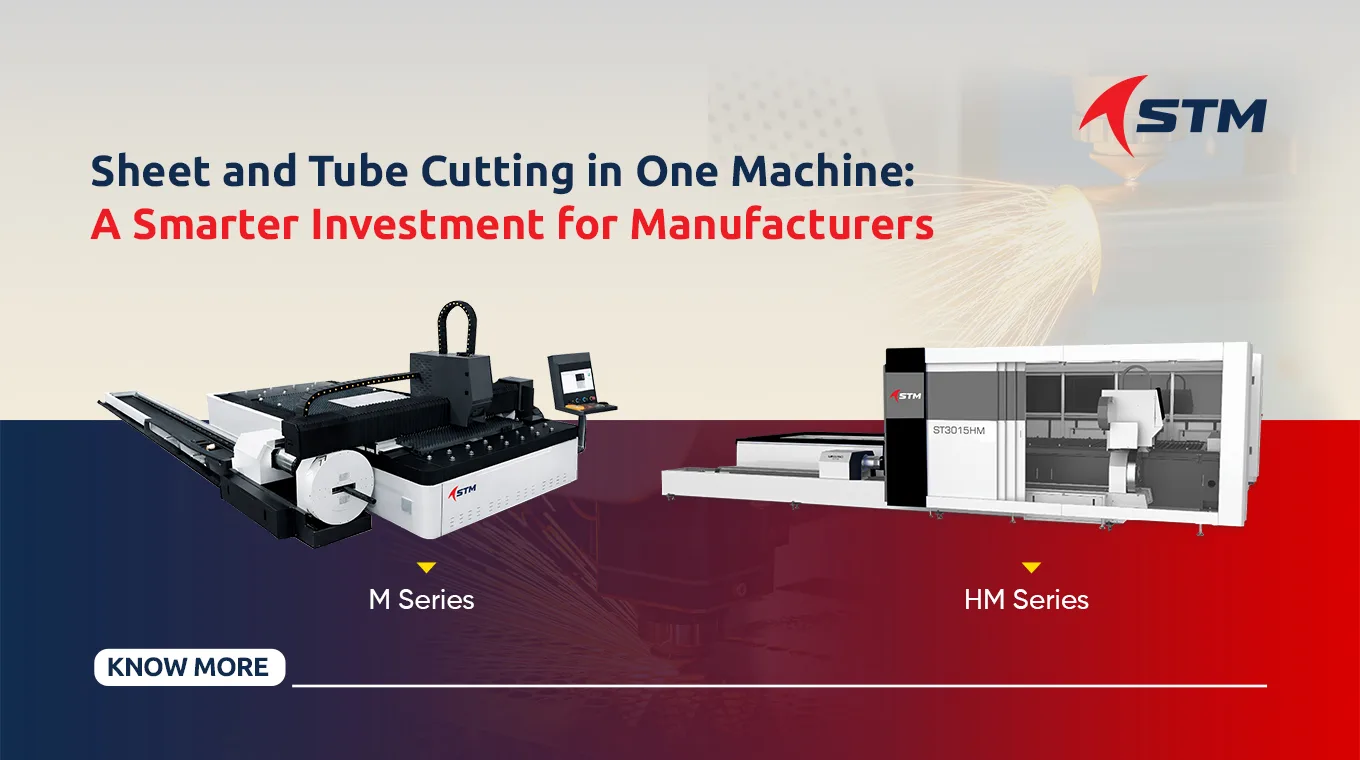
STM Laser’s M Series supports flat-sheet and tube cutting, including round, square and rectangular tubes.
Machine configuration also affects productivity. STM Laser’s P Series uses a double-pallet arrangement, allowing cutting on one pallet while the other can be loaded or unloaded.
Reducing non-cutting time can therefore be just as important as increasing laser power.
When Does Higher Power Make Business Sense?
A high-power fiber laser becomes more relevant when production consistently requires:
Thicker-material processing
Higher machine utilisation
Reduced cutting time on suitable jobs
More demanding applications
Additional capacity for realistic future requirements
STM Laser offers power configurations from 1.5 kW to 30 kW for different cutting and production requirements.
How Should Manufacturers Choose?
A useful selection sequence is:
Material → Thickness → Production Volume → Sheet Size → Application → Machine Configuration → Laser Power
Expected growth in thickness, volume or applications can also justify some additional capability.
Conclusion
Not every manufacturer needs a high-power laser cutting machine.
Higher power can provide important advantages when production consistently requires greater cutting thickness, higher throughput or more demanding applications. For other manufacturers, a lower- or moderate-power machine with the right working area, pallet system and automation may provide better overall value.
The right fiber laser cutting machine power selection begins with what you cut, how thick it is, how much you produce and how the machine fits into the production workflow.
Choose the capability your production needs - not simply the highest capability available.
Not sure how much laser power your production needs? Contact STM Laser with your material, thickness, and production requirements to explore the right configuration.