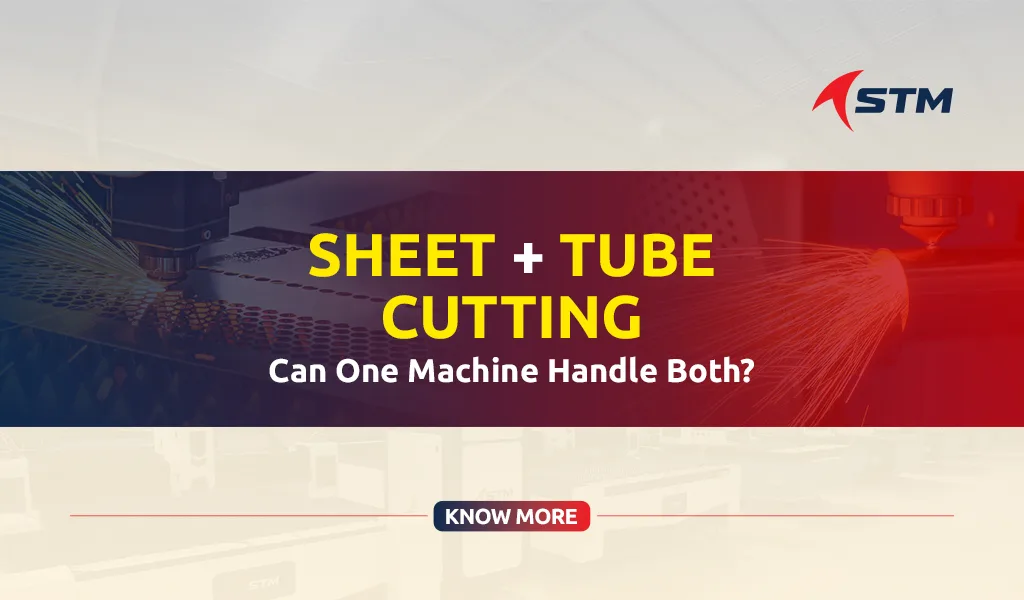
Many fabricated products are not made only from sheet metal or only from tubes.
A machine frame may require sheet-metal covers, brackets and mounting plates along with round, square or rectangular tube structures. A conveyor system may combine flat panels with tubular frames. Agricultural or industrial equipment may require both sheet and structural tube components within the same assembly.
For manufacturers handling this kind of mixed fabrication, the question is not only how fast they can cut.
It is also:
How efficiently can both sheet and tube requirements be handled within the same production environment?
This is where a 2 in 1 sheet and tube laser cutting machine can simplify metal fabrication.
Why Do Mixed Sheet and Tube Requirements Create Complexity?
When a manufacturer processes sheet components and tube components separately, production may depend on different machines, different setups and different workflows.
Flat sheet parts may be processed on one machine, while round, square or rectangular tubes are handled on another.
For manufacturers producing mixed components regularly, this can increase production complexity.
The challenge is not that separate machines cannot perform the work. The challenge is coordinating two different cutting environments for products that ultimately belong to the same assembly.
A sheet and tube laser cutting machine brings both material formats into one machine platform.
That can make the overall fabrication process more flexible and easier to manage.
What Does a 2 in 1 Sheet and Tube Laser Cutting Machine Do?
A 2 in 1 system combines flat-sheet laser cutting and tube laser cutting within one machine.
This allows manufacturers to process sheet components and tubular components without depending entirely on separate dedicated cutting machines.
Depending on the machine configuration, the tube-cutting section can support different profiles such as:
Round tubes
Square tubes
Rectangular tubes
This can be particularly useful for manufacturers producing assemblies that use both flat and tubular components.
The main advantage is not simply adding another cutting function.
It is the ability to handle two different material formats within one production platform.
Which Industries Benefit Most?
A 2-in-1 fiber laser cutting machine can be especially relevant for industries where sheet and tube components are commonly used together.
Machine manufacturers often require guards, panels, brackets, base plates and tubular frames within the same product.
Processing both formats in one machine platform can support a more flexible fabrication workflow.
Conveyor systems, automation equipment and robotic cells frequently combine sheet-metal components with tubular frames, supports and structures.
A sheet and tube laser can help manufacturers handle these varied component requirements more efficiently.
Automotive suppliers may produce structural parts, brackets, fixtures and tubular components across different projects.
A 2 in 1 system can provide flexibility when production requirements include both flat-sheet and tube processing.
Agricultural equipment often combines sheet-metal panels, brackets, frames and structural tube components.
For manufacturers handling both material types regularly, integrated sheet and tube capability can simplify machine allocation and workflow.
For job shops, production requirements can change frequently.
One customer may require sheet-metal parts while another needs tubular components. A 2-in-1 fiber laser cutting machine provides the flexibility to handle a wider mix of jobs within the same production environment.
More Than Two Cutting Functions
The advantage of a combined system goes beyond switching between sheet and tube.
Suitable features such as holes, slots and contours can also be produced during tube laser cutting, depending on the component design, tube profile and machine configuration.
This can help manufacturers reduce certain additional processing requirements in suitable applications.
The key benefit, however, remains the same:
one machine platform for both sheet and tube fabrication.
Can a 2 in 1 Machine Improve Factory Flexibility?
Yes, especially where both material formats are part of regular production.
Instead of dedicating separate cutting systems to every requirement, manufacturers can use one machine platform to handle a broader range of components.
This can improve production flexibility, particularly when:
Job requirements change frequently
Production includes mixed sheet and tube components
Factory floor space is an important consideration
Manufacturers want broader capability from one machine investment
However, the right decision still depends on production volume and application.
A manufacturer processing very high volumes of sheet and tube simultaneously may still benefit from dedicated machines. A 2-in-1 solution makes the most sense when integrated flexibility matches the actual production requirement.

Why STM M Series?
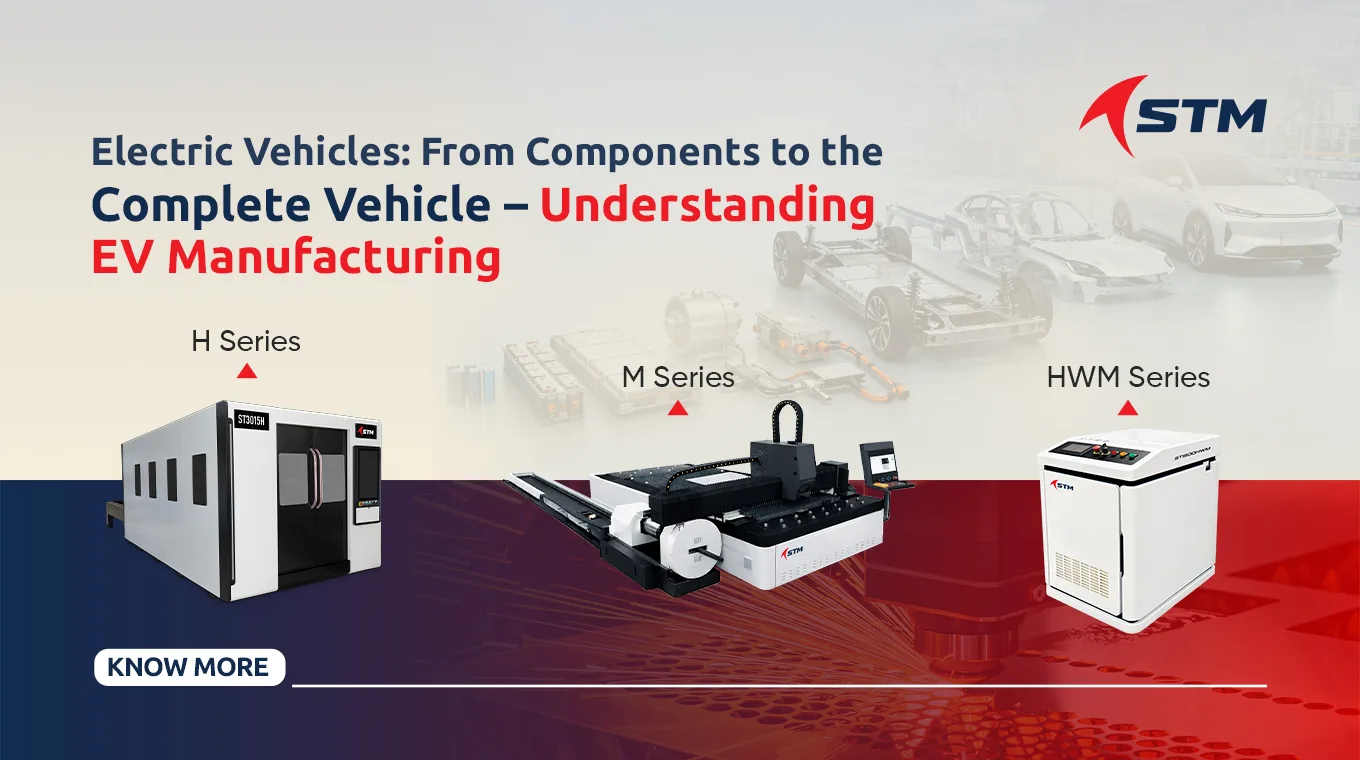
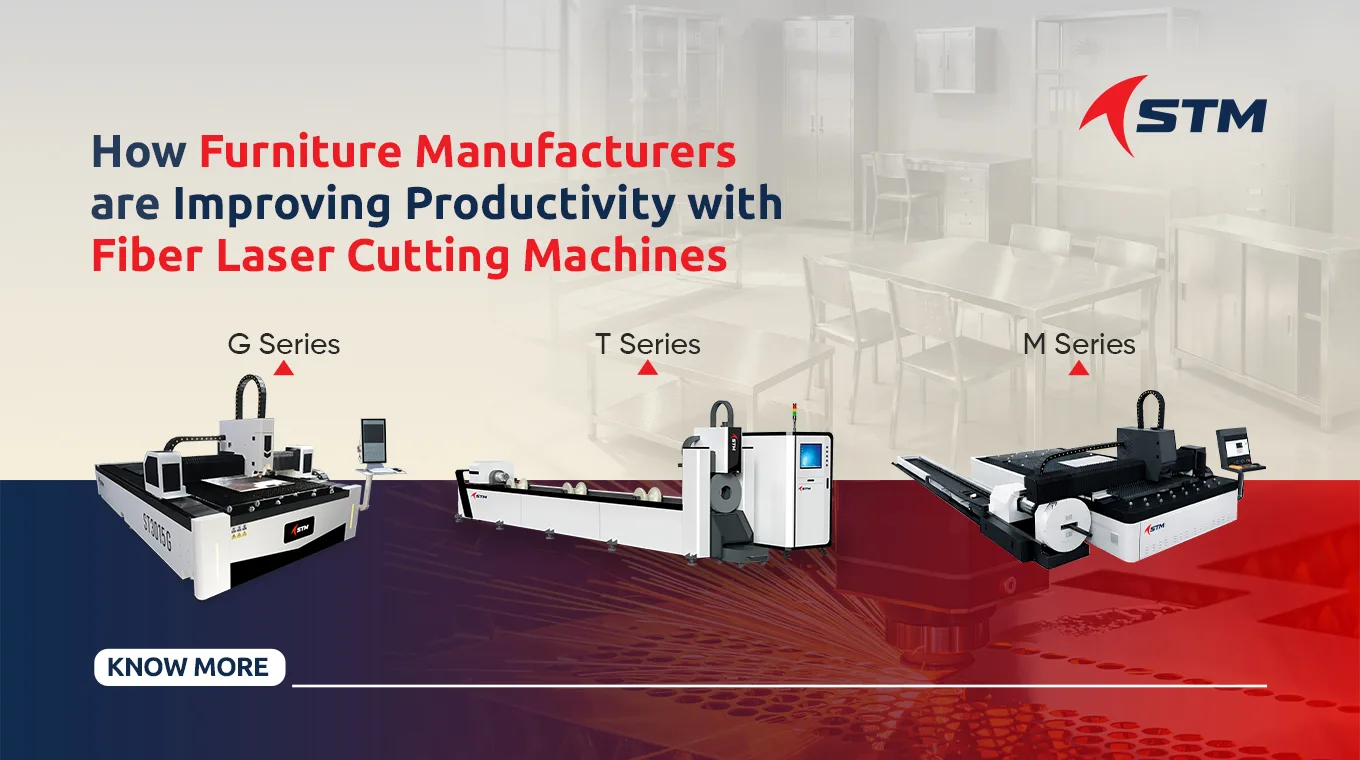
The STM Laser M Series is designed for manufacturers requiring both flat-sheet and tube cutting capability within one machine platform.
It supports flat-sheet cutting along with round, square and rectangular tube processing, making it suitable for mixed fabrication requirements across different industries.
The right machine configuration should be selected based on:
Material → Thickness → Sheet Size → Tube Profile → Tube Dimensions → Production Volume → Application
The objective is not simply to combine two functions.
It is to create a machine configuration that matches the manufacturer’s actual component mix.
Conclusion
The real advantage of a 2 in 1 sheet and tube laser cutting machine is not that sheet laser cutting or tube laser cutting is new.
It is that manufacturers can handle both requirements within one machine platform.
For businesses producing machine frames, automation structures, automotive components, agricultural equipment or varied fabrication jobs, this can create a more flexible and connected production environment.
One machine. Two material formats. Greater fabrication flexibility.
When both sheet and tube components are part of regular production, the right 2 in 1 laser cutting solution can help simplify how those components are produced.
Contact STM Laser now